

5 San Diego PTSD & CPTSD Therapists [Now Accepting Clients]
If you’re here, I’m guessing trauma isn’t staying neatly in the past. Maybe it’s showing up in your body, your relationships, your parenting, or the way you talk to yourself after a hard moment.
At Dr. Cassidy & Co., we offer CPTSD and PTSD therapy in San Diego, CA, to help you make sense of what happened, understand what your nervous system is trying to protect, and feel a little more like yourself again.
Who we work with
Here's the thing about trauma: it rarely announces itself. It's not always a clear-cut flashback or a memory with neat edges. More often, it shows up as the perfectionism keeping you up at night, the irritability that erupts at bedtime, the inability to rest even when everything is technically "fine." Our team specializes in supporting:
New and expecting parents processing birth trauma, pregnancy loss, infertility, or TFMR.
High-achieving women who are tired of anxiety, shame, perfectionism, or people-pleasing running the show.
Parents noticing that raising kids is bringing up old wounds they thought they had already handled.
Clients healing from CPTSD, emotional neglect, unpredictable caregiving, or long-term relational trauma.
Couples trying to understand how trauma responses like reactivity, shutdown, or self-protection affect their connection.
Individuals navigating trauma alongside anxiety, depression, addiction history, or a nervous system that rarely feels settled.
If you saw yourself in this list, that makes sense. We’d love to help you find a therapist on our team who feels like the right fit.
Meet our San Diego PTSD & CPTSD therapists
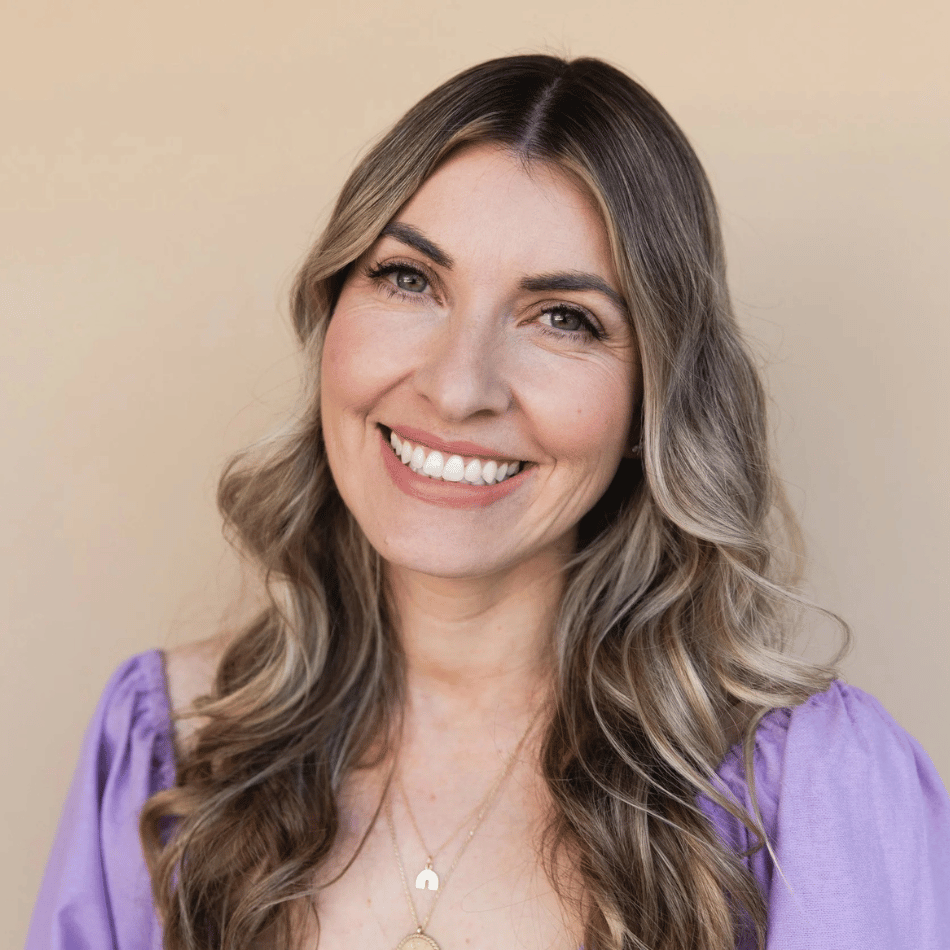
Dr. Cassidy Freitas, LMFT
Hi, I’m Dr. Cassidy. I’m an EMDR-trained therapist, author of Mom Needs a Moment, host of the Holding Space podcast, and a mom of three, so I don’t just understand trauma in theory; I understand how it can show up in the middle of parenting, partnership, and trying to keep your life moving. I help parents and cycle-breakers process PTSD, birth trauma, postpartum distress, and childhood wounds using EMDR, Internal Family Systems-informed parts work, ACT, and somatic practices. Clients often gravitate toward me when they want care that feels both clinically grounded and deeply human, or when they are interested in intensive therapy.
Offers PTSD & CPTSD therapy ✓
Credentials: Licensed Marriage and Family Therapist #91256
Specialty Areas: Trauma & EMDR, anxiety, parenting, pregnancy and postpartum
Location: San Diego, CA (in-person Wednesdays); telehealth across CA
Virtual Therapy?: Yes
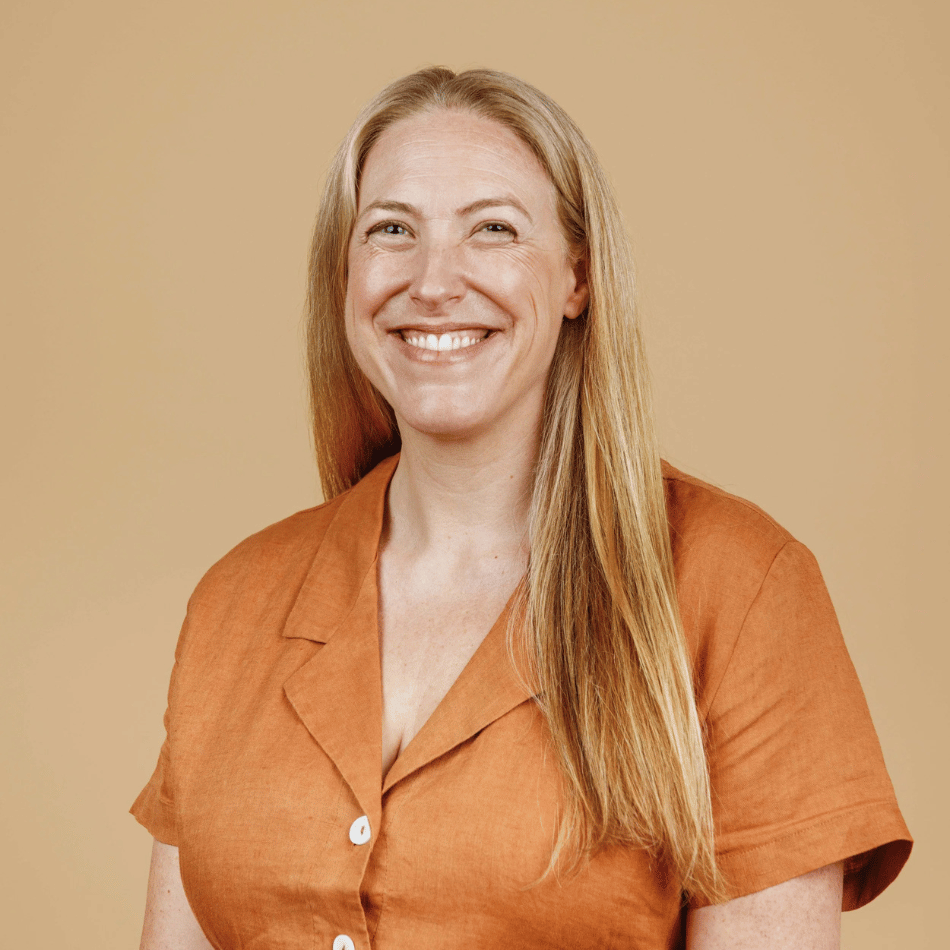
Julie Kraft
Hi, I’m Julie. After 12+ years as a licensed therapist, I've come to deeply respect how often trauma is the quiet operator behind anxiety, depression, and addictive patterns, especially for parents. I use ACT, CBT, Emotion-Focused Couple’s Therapy, and Motivational Interviewing in a way that feels warm, collaborative, and practical. Plus, as a mom of three, I also understand how parenthood can bring old wounds right to the surface, usually at the exact moment you’re already stretched thin.
Offers PTSD & CPTSD therapy ✓
Credentials: Licensed Marriage and Family Therapist #51864
Specialty Areas: Anxiety, depression, addiction, parenting, postpartum, couples
Location: California (telehealth)
Virtual Therapy?: Yes
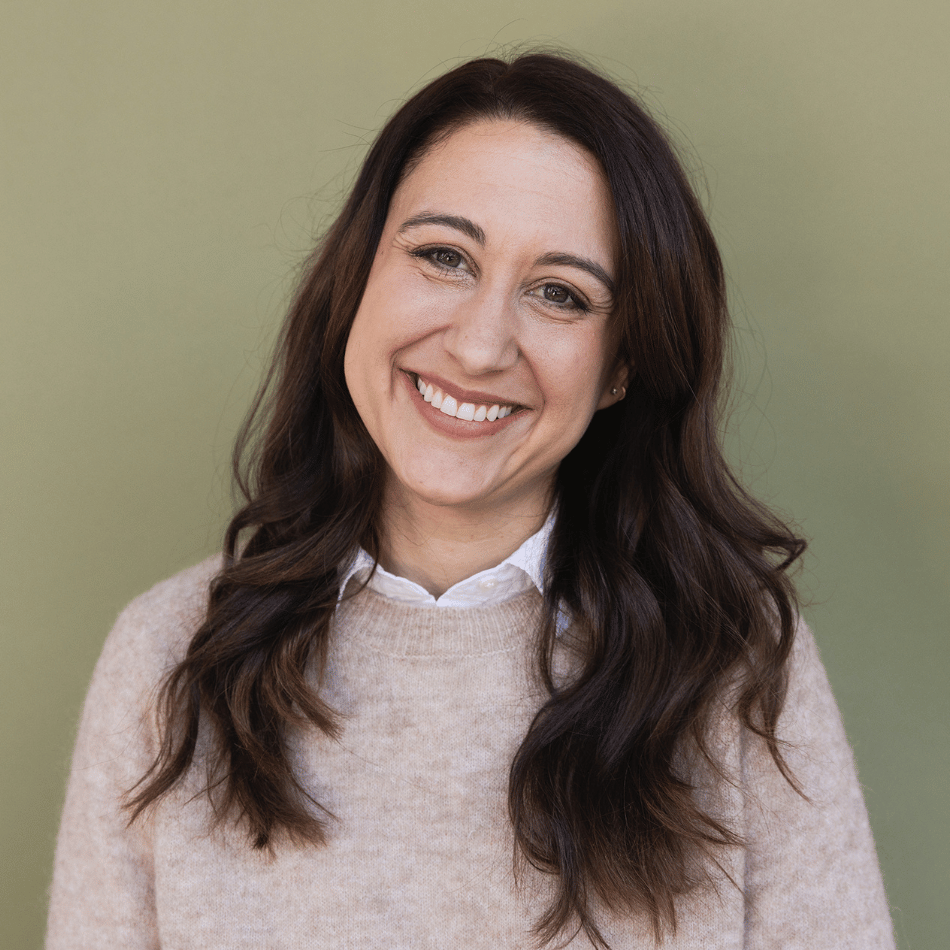
Dr. Alex Shrake
Hi, I’m Dr. Alex. I’m an EMDR-trained Licensed Professional Clinical Counselor with a Ph.D. in Counselor Education and Supervision, and my work lives right at the intersection of trauma, birth experiences, postpartum mental health, attachment, and the childhood stories we carry into parenting. I’m passionate about helping people explore the ways that parenthood can press on past wounds in often unexpected ways. My approach brings warmth, curiosity, and practical support to help you process what happened while feeling more grounded in the life you’re living now.
Offers PTSD & CPTSD therapy ✓
Credentials: Licensed Professional Clinical Counselor #9425
Specialty Areas: Birth trauma, EMDR, postpartum, anxiety, depression, parenting
Location: California and Nevada (telehealth)
Virtual Therapy?: Yes
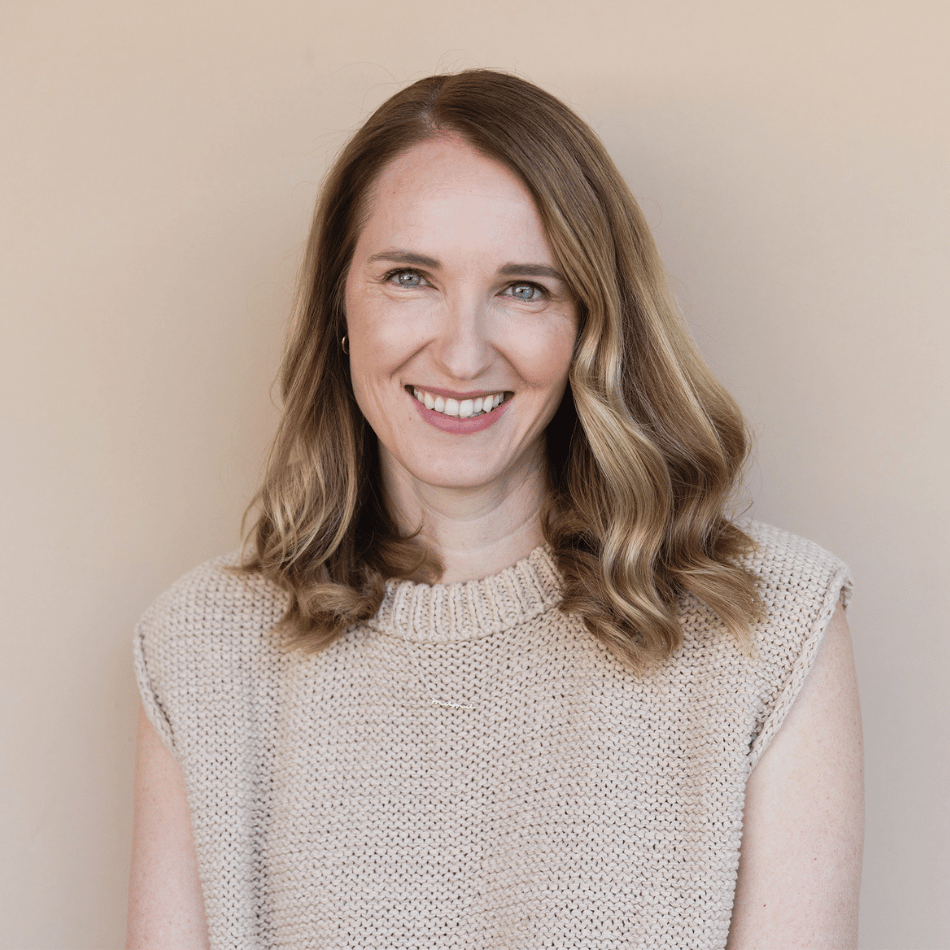
Tessa Ritchie
Hi, I’m Tessa. I’m an EMDR-trained therapist, and I’ve been working in mental health since 2013, including years walking alongside child survivors of human sex trafficking, at-risk families, and young mothers navigating the peripartum season. So when I say trauma can be layered, I mean it. I love helping people who have experienced untangle their experiences without making the work feel abstract or overwhelming. I blend evidence-based methods like EMDR, CBT, ACT, and solution-focused therapy to offer space for deep healing while also providing the practical tools you need to get through the week.
Offers PTSD & CPTSD therapy ✓
Credentials: Licensed Professional Clinical Counselor #6250
Specialty Areas: Trauma + EMDR, postpartum, couples, anxiety, depression, parenting
Location: California (telehealth; evening/weekend availability for CA clients)
Virtual Therapy?: Yes
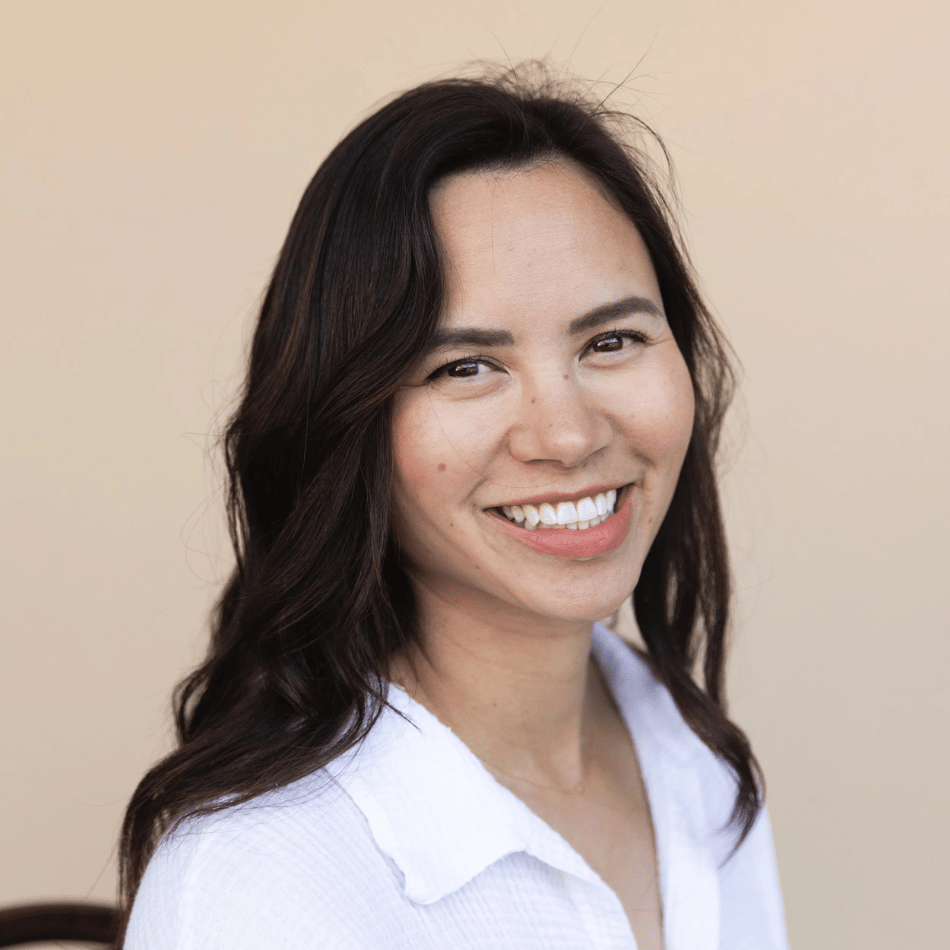
Reilley Valenzona
Hi, I’m Reilley. I’m an EMDR-trained therapist specializing in maternal and perinatal mental health, including pregnancy loss, termination for medical reasons (TFMR), birth trauma, postpartum anxiety, and the very real identity shifts that can come with becoming a parent. I provide a calm, validating space where you can feel held and understood as you process the tender and isolating experiences that can arise in pregnancy, postpartum, and early parenthood. My approach draws on EMDR, CBT, ACT, DBT, mindfulness, and strengths-based care so the work feels supportive, practical, and paced with your nervous system in mind.
Offers PTSD & CPTSD therapy ✓
Credentials: Licensed Clinical Social Worker #72905
Specialty Areas: Trauma/EMDR, pregnancy, postpartum, anxiety, depression, parenting
Location: San Diego, CA (telehealth across California)
Virtual Therapy?: Yes

Our therapists are here to meet you with compassion, kindness, and curiosity. Our goal is to make therapy a safe space for you to heal from your traumatic birth, take care of your mental health, and feel like yourself again.
We know that reaching out for support after experiencing a traumatic event can be extremely difficult. Our team is available for complimentary 15-minute phone consultations to address any questions or concerns you have about starting therapy. We encourage you to connect with us to start making meaningful change today.
How PTSD & CPTSD therapy can help
Feel less hijacked by the past
Past wounds can feel like they’re unfolding again in the present when trauma is at play. Maybe your body reacts before your brain has time to catch up, or a memory, tone of voice, place, or facial expression suddenly sends you back. PTSD therapy can help your brain and body process what happened, so the past doesn’t keep taking over.
Calm the “always on” feeling
If you’ve been scanning for danger for years, your nervous system may not actually remember what "safe" feels like. It may feel unfamiliar or like something is about to go wrong. Trauma therapy can help you understand your nervous system, build grounding tools, and slowly create more access to calm in your body, relationships, parenting, and everyday life.
Break patterns you never meant to repeat
A lot of parents find their way to trauma therapy when they catch themselves reacting in ways that feel uncomfortably familiar. The tone, the shutdown, the urgency, the “where did that come from?” moment afterward. Therapy helps you understand the patterns you inherited without shaming yourself for having them, so you can loosen their grip and build a different kind of legacy on purpose.
Reconnect with who you are now
Complex trauma can make old survival stories feel like the truth: I’m too much. I’m not enough. Something is wrong with me. Therapy helps you start noticing those stories instead of living inside them, so you can reconnect with what you actually want, what you actually feel, and who you are when fear isn’t making every decision.
Common reasons why people seek PTSD & CPTSD therapy
You keep replaying a birth experience, loss, or medical moment and wondering why your body still responds like it just happened.
You have intrusive thoughts or images that feel scary, shameful, or impossible to say out loud.
You notice your childhood showing up in your parenting, especially in the moments when you’re tired, touched out, or overwhelmed.
You’re carrying grief from pregnancy loss, infertility, TFMR, or a life transition that other people seemed to move on from faster than you did.
You feel like you’re always scanning, checking, bracing, or waiting for the other shoe to drop.
You react bigger than you mean to, then spend the rest of the day feeling guilty, confused, or disconnected.
You’re exhausted, but your body still won’t fully rest.
You feel numb, far away from yourself, or like you’re watching your life instead of actually living it.
What to expect from the therapy process
-

Step 1. Schedule a free consultation
We start with a free 15-minute consultation so you can share a little about what’s been coming up and get a feel for who might be the right fit. You do not need a polished explanation or the perfect words. Truly. We can start with, “I’m not totally sure, but something feels off.”
-

Step 2. Build safety before going deeper
Good trauma therapy doesn’t toss you into the deepest part of the story and hope for the best. Early sessions are about getting to know you, understanding what your nervous system has been carrying, and building tools that help you feel more grounded before we move into deeper processing.
-

Step 3. Process trauma at a pace that feels right
When you feel ready, your therapist may bring in EMDR, parts work, somatic practices, CBT, ACT, or mindfulness to help you process what happened and make sense of how it still shows up now. The goal is not to rush you through healing. It’s to help you feel more present, steady, and connected in your actual everyday life.
FAQs about PTSD & CPTSD therapy
-
PTSD often develops after a specific traumatic event, like a car accident, assault, medical emergency, or difficult birth. CPTSD, or complex PTSD, usually comes from repeated or ongoing trauma, especially in relationships where you were supposed to feel safe. So yes, it can include flashbacks, avoidance, and feeling constantly on alert, but it can also shape how you see yourself, how you respond to conflict, and how safe you feel letting people get close.
-
EMDR can be really helpful for CPTSD, but we want to be thoughtful about pacing. With complex trauma, we usually don’t jump straight into memory processing on day one. We start by building grounding, safety, and enough support in your system first. From there, EMDR may be woven together with parts work, somatic practices, ACT, CBT, or mindfulness so the work feels contained instead of overwhelming.
-
EMDR may not be the best starting place if you’re feeling extremely unstable, highly dissociated, actively unsafe, or unable to come back into the present after talking about trauma. That doesn’t mean you “can’t do EMDR.” It may just mean we spend more time helping your nervous system build the tools, support, and steadiness it needs before moving into deeper processing.
-
I know this is the least satisfying answer, but it really does depend. A single traumatic event may shift within a few months of focused work. CPTSD often takes longer because we’re not just processing what happened; we’re also helping you rebuild trust with yourself, your body, your relationships, and your sense of safety. The goal is not to rush your healing. It’s to move at a pace your system can actually hold.
-
Yes. Healing from CPTSD is absolutely possible, though it doesn’t mean erasing your history or never getting triggered again. It often looks like understanding your responses, softening shame, feeling more present in your body, and having more choice in moments that used to take you over. The past may still be part of your story, but it does not have to keep running the whole show.
-
Insurance may cover PTSD therapy, depending on your plan and out-of-network benefits. At Dr. Cassidy & Co., we’re a private-pay practice and do not bill insurance directly, which allows for more privacy and flexibility in your care. If you have a PPO plan, we can provide a superbill for possible reimbursement. We also accept HSA/FSA cards and offer Mentaya as an option. Because benefits vary so much, we recommend checking with your insurance provider so you know what reimbursement may look like before getting started.

Start working with a San Diego PTSD & CPTSD therapist today
